Our New Photodetector Selector: A Powerful Tool for Engineers
Detector Choice Shapes Every Layer of Your System
Photodetectors sit at the heart of an enormous range of modern systems: fiber optic communications networks, LiDAR sensors in autonomous vehicles, gas analyzers, medical imaging equipment, and precision scientific instruments. Despite this diversity of applications, the selection process follows a consistent logic: one grounded in four fundamental questions about your system and a working knowledge of the core trade-offs.

We are excited to share our recently launched, interactive Photodetector Selector, which walks through the selection logic. This tool explains the key datasheet parameters that determine real-world performance and maps common application scenarios to the detector types best suited to serve them. We have also recently launched our Photodetector Buyer’s Guide that goes deeper into specs and system-level considerations. Whether you are designing a new system from scratch or troubleshooting unexpected noise in an existing one, understanding how these variables interact is the fastest path to a confident, defensible choice of components.
Start With Four Questions
Before opening a single datasheet, answer these four questions about your application. They define the boundaries of your solution space more precisely than any other starting point.
- What is your target wavelength range?
Detector materials respond to light only within specific spectral bands. Silicon-based detectors cover visible and near-UV wavelengths well (roughly 200 to 900 nm) but go blind in the near-infrared. Indium gallium arsenide (InGaAs) picks up where silicon leaves off, covering the critical 900 to 1700 nm band used by most telecom systems and a wide range of NIR sensing applications. Extended InGaAs pushes sensitivity further, from 1700 to 2600 nm, a range important for gas spectroscopy and SWIR imaging. Germanium bridges a broad band from around 800 to 1800 nm and offers a cost-effective option where noise performance is less critical. Your light source defines the floor: the detector’s spectral range must overlap the signal’s wavelength.
- How fast does your system need to respond?
Speed requirements vary by orders of magnitude across applications. A DC power meter or slow-scan spectrometer may only need response times in the milliseconds or kilohertz range. A pulsed LiDAR system or optical time-domain reflectometer (OTDR) might require rise times in the nanosecond range and bandwidths in the hundreds-of-megahertz range. Optical communications systems at 10G, 25G, or 100G rates demand GHz-class bandwidth. The physics that governs detector speed is primarily capacitance: larger active areas accumulate more charge, increase capacitance, and slow the response. High-speed detectors achieve their bandwidth by reducing the active area, which in turn demands more precise optical alignment.
- How bright is your light source?
Signal level determines whether gain is needed and how aggressively noise must be managed. Photon-starved applications such as long-range LiDAR, OTDR, and certain fluorescence measurements cannot afford to lose signal in the noise floor of a standard photodiode. These scenarios call for detectors with internal amplification, specifically avalanche photodiodes (APDs), which use the avalanche multiplication effect to boost weak signals before they reach external electronics. Standard InGaAs or germanium detectors serve moderate-signal applications well, like spectroscopy and general sensing. High-power applications such as fiber-coupled telecom receivers and optical power meters require excellent linearity and can tolerate higher dark current, since the signal comfortably overwhelms noise.
- Do you need to track beam position?
Most photodetectors measure only light intensity: how many photons arrived, not where they hit. If your system requires beam alignment feedback, stabilization, or two-dimensional position tracking, you need a segmented detector. Quadrant photodiodes divide the active area into four cells; by comparing the signal from each cell, a controller can compute the centroid of the incident beam and correct misalignment in real time. For finer angular resolution, 8-segment (Octo) detectors or tetralateral position-sensing detectors (PSDs) provide continuous position readout across two axes without the dead zones inherent in segmented designs.
Key Parameters and What They Actually Mean
Once you know which detector category fits your application, the datasheet comparison begins. These are the parameters that most directly affect whether a detector performs in your system, and what each one tells you in practice.
| Parameter | What it means | Matters most for |
| Responsivity (A/W) | Photocurrent generated per watt of incident light. Higher means more output signal per unit of input light. | All applications |
| Dark current (nA) | Current that flows with no light present. Sets the noise floor — lower is better for weak-signal detection. | Low-light, spectroscopy |
| Rise time/bandwidth | How quickly the detector responds to a changing signal. Smaller active area = lower capacitance = faster. | Telecom, LiDAR, pulsed systems |
| Active area (mm²) | Size of the light-sensitive region. Larger catches more light but increases capacitance and slows response. | Free-space, large beams |
| Shunt resistance (MΩ) | Resistance at zero bias. High shunt resistance reduces noise in DC or low-frequency systems. | Power meters, DC sensing |
| Gain (APDs only) | Internal multiplication from the avalanche effect. Amplifies weak signals before external electronics. | LiDAR, photon-starved applications |
| Spectral range | The wavelength band over which the detector responds. Must overlap your light source. | All applications |
| Linearity | How faithfully does the output current track the input power? Critical wherever measurement accuracy matters. | Spectroscopy, precision measurement |
Detector Types at a Glance
- Standard InGaAs (900 to 1700 nm) is the default choice for near-infrared sensing. It offers low dark current, excellent linearity, and a wide range of package formats. Small-area variants optimize for speed; large-area variants optimize for sensitivity and tolerance of alignment imprecision.
- Extended InGaAs (1700 to 2600 nm) extends sensitivity past the standard InGaAs cutoff into the mid-wave infrared. The trade-off is higher dark current, which often necessitates thermoelectric cooling to reach acceptable noise floors. These detectors excel in gas sensing and SWIR spectroscopy applications.
- High-speed InGaAs delivers GHz-class bandwidth by minimizing active area and capacitance. Rise times in the sub-nanosecond range make these the right choice for 10G and faster optical communications, high-frequency pulsed measurements, and any system where signal integrity at high data rates is non-negotiable.
- Avalanche photodiodes (APDs) provide internal gain through the avalanche multiplication effect, making them uniquely suited to photon-starved applications. That gain comes with trade-offs: higher bias voltage requirements, a noise figure associated with the multiplication process, and greater sensitivity to temperature and bias stability. When SNR is the paramount concern, and the signal is genuinely weak, APDs deliver performance that no standard photodiode can match.
- Germanium Detectors cover a broad NIR band at a lower cost than InGaAs detectors, making them attractive for power sensing and less noise-critical applications. Their higher dark current relative to InGaAs limits their usefulness in low-light scenarios. Still, for strong-signal applications with a generous noise budget, germanium remains a practical and economical option.
- Position-Sensing Detectors, including quadrant, Octo, and tetralateral designs, add spatial information to intensity measurement. They are the enabling component in laser beam steering, auto-alignment systems, optical tracking, and any application where knowing where the beam landed is as important as knowing how bright it was.
The Inevitable Trade-offs
Every detector selection involves choosing which property to sacrifice. Understanding these tensions before finalizing a design prevents the kind of late-stage surprises that arise from optimizing on one dimension without accounting for the cost on another.
A more active area means greater sensitivity and greater tolerance for beam wander, but also higher capacitance and slower response. A wider wavelength range in extended InGaAs means higher dark current and often requires thermoelectric cooling. APD gain amplifies the signal but also the noise, which scales with the multiplication factor and requires tight bias and temperature control. High-speed operation requires a small active area, which in turn demands tight optical alignment tolerances. Lower cost through germanium means accepting a higher noise floor.
None of these trade-offs disqualifies a detector type. They define the conditions under which each type performs at its best. A high-speed InGaAs detector in a well-designed fiber-coupled receiver is an excellent component. The same detector used in a free-space system with a large, divergent beam and loose alignment tolerances will underperform, not because the part is wrong, but because the system design did not account for the trade-off.
A Note on System Integration
Choosing the right detector is necessary but not sufficient. The detector operates within a system, and its datasheet performance is only realized when the surrounding design accounts for its characteristics. Transimpedance amplifier design, bias voltage stability, thermal management, and optical coupling all interact with detector parameters in ways that can either preserve or undermine the performance you selected for.
For applications with unusual requirements — custom spectral windows, non-standard package formats, specific fiber-coupling geometry, or extreme operating environments — working directly with a detector manufacturer early in the design process is consistently more efficient than adapting a standard part to a constrained space. The performance parameters on a datasheet describe what a part can do under defined conditions. A manufacturer’s engineering team can tell you what it will do under yours.
Next Steps
Ready to find your ideal detector? Explore the interactive Photodetector Selector to work through your application requirements step by step, then dive deeper into specs and system-level considerations with the Photodetector Buyer’s Guide. Have an unusual requirement or want to talk through your design? Contact our engineering team directly. We are here to help you make a confident, defensible component choice.
Our Photodetector Selector
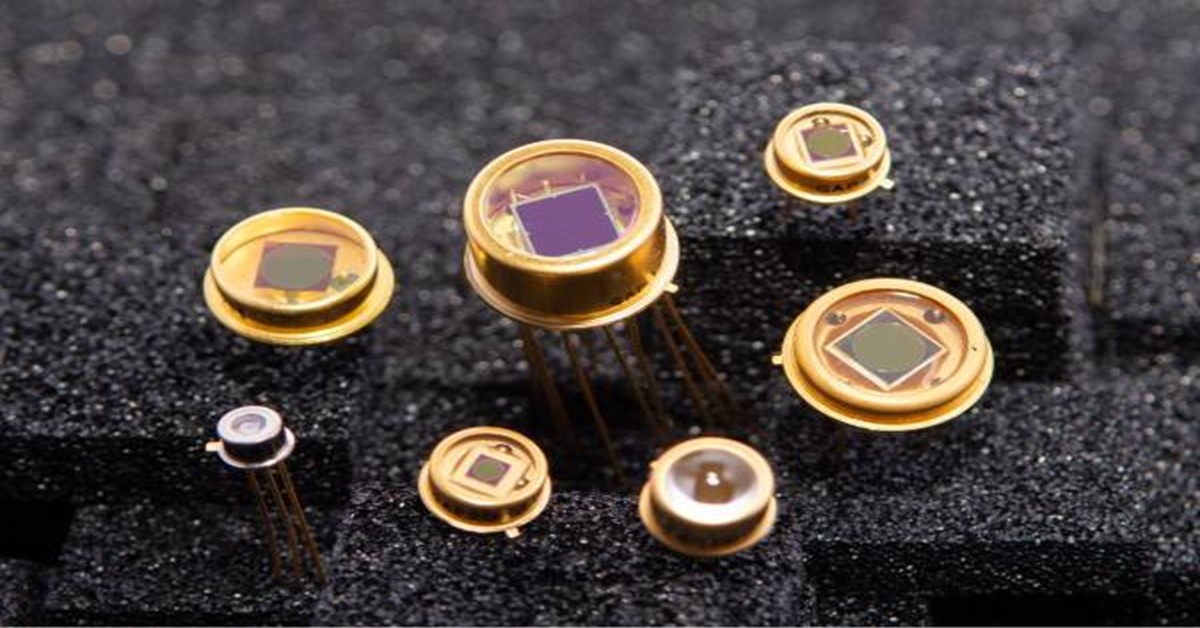
Answer four questions about your application — wavelength range, response speed, signal strength, and beam tracking — and our Photodector Selector points you to the detector type best suited for your system. From there, a parameter reference table breaks down the datasheet values that matter most, including responsivity, dark current, bandwidth, and active area, so you understand not just which detector to choose but why. A trade-off section rounds it out by walking through the competing properties that every engineer has to balance when optimizing for performance, cost, and form factor.
Our Buyer’s Guide
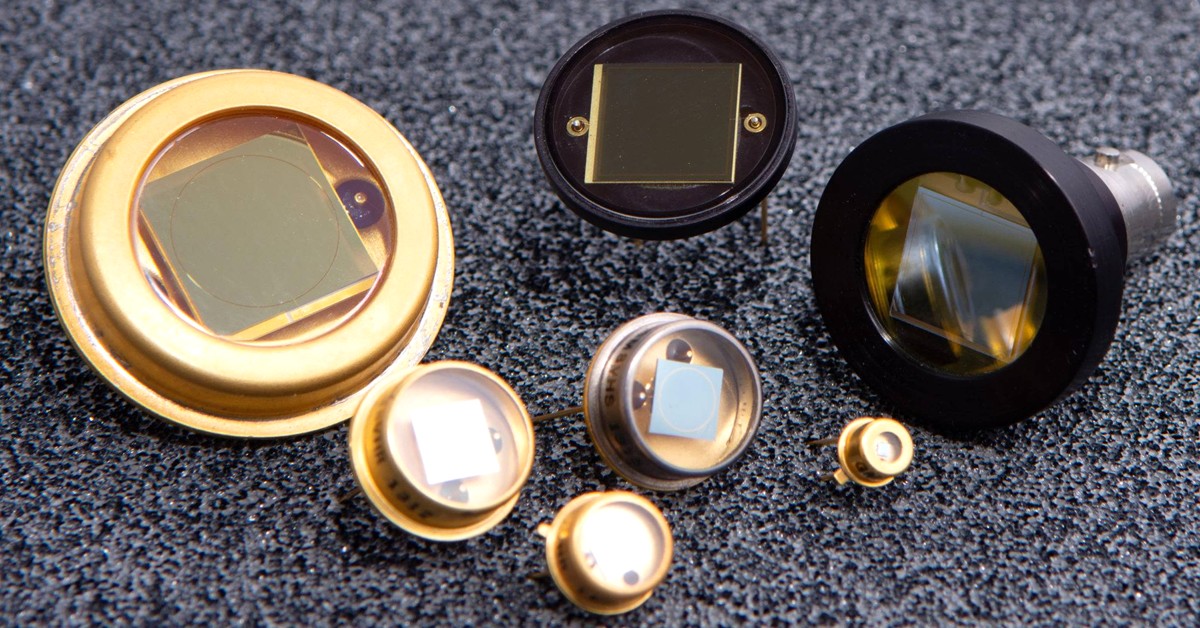
Choosing the right photodetector is critical for achieving accurate, reliable optical measurements. This guide explores key selection factors including wavelength range, responsivity, speed, noise, and packaging to help engineers match detector performance to specific applications across telecom, industrial, and scientific systems.
 https://www.gpd-ir.com/wp-content/uploads/2026/09/Introducing-What-is-a-Photodiode-A-Complete-Guide-Blog-Post-Graphic.png
907
1733
GPD Optoelectronics
https://www.gpd-ir.com/wp-content/uploads/2025/12/GPD-Logo-Transparent.png
GPD Optoelectronics2026-09-18 16:51:422026-09-18 16:55:15Introducing What is a Photodiode: A Complete Guide
https://www.gpd-ir.com/wp-content/uploads/2026/09/Introducing-What-is-a-Photodiode-A-Complete-Guide-Blog-Post-Graphic.png
907
1733
GPD Optoelectronics
https://www.gpd-ir.com/wp-content/uploads/2025/12/GPD-Logo-Transparent.png
GPD Optoelectronics2026-09-18 16:51:422026-09-18 16:55:15Introducing What is a Photodiode: A Complete Guide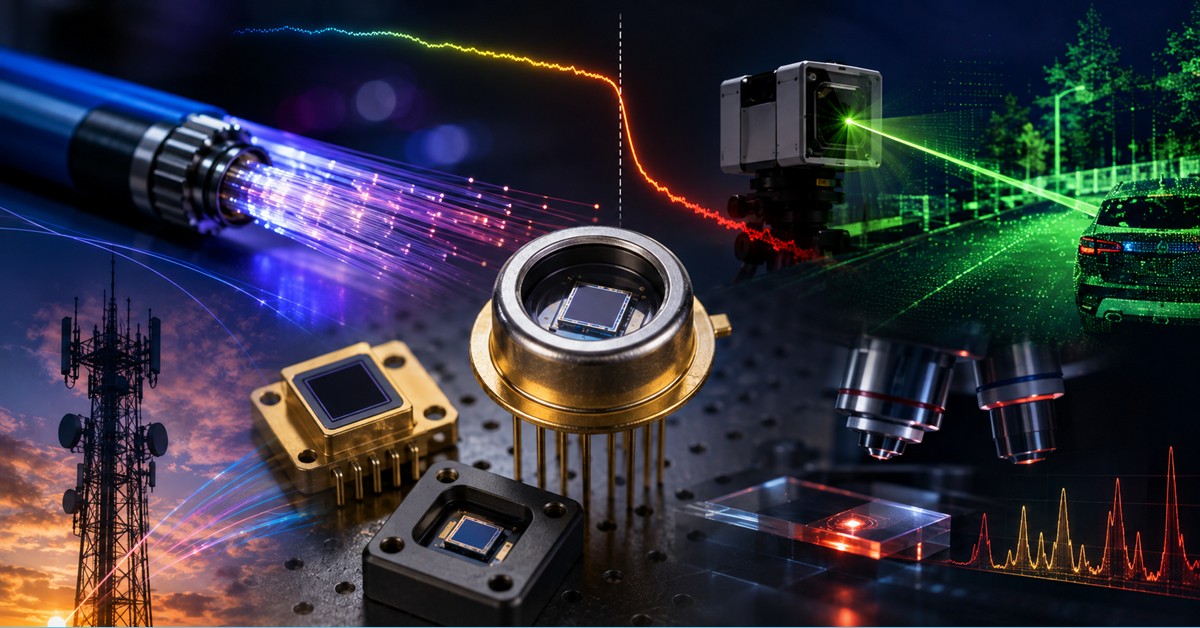 https://www.gpd-ir.com/wp-content/uploads/2026/08/Picking-the-Right-Photodiode-for-Your-Wavelength-Range.jpg
628
1200
GPD Optoelectronics
https://www.gpd-ir.com/wp-content/uploads/2025/12/GPD-Logo-Transparent.png
GPD Optoelectronics2026-08-28 11:46:432026-08-28 12:10:33Picking the Right Photodiode for Your Wavelength Range
https://www.gpd-ir.com/wp-content/uploads/2026/08/Picking-the-Right-Photodiode-for-Your-Wavelength-Range.jpg
628
1200
GPD Optoelectronics
https://www.gpd-ir.com/wp-content/uploads/2025/12/GPD-Logo-Transparent.png
GPD Optoelectronics2026-08-28 11:46:432026-08-28 12:10:33Picking the Right Photodiode for Your Wavelength Range https://www.gpd-ir.com/wp-content/uploads/2026/07/The-Photonics-Bottleneck-Nobodys-Talking-About-in-the-AI-Buildout-Graphic.jpg
628
1200
GPD Optoelectronics
https://www.gpd-ir.com/wp-content/uploads/2025/12/GPD-Logo-Transparent.png
GPD Optoelectronics2026-07-20 16:26:522026-08-28 11:53:18The Photonics Bottleneck Nobody’s Talking About in the AI Buildout
https://www.gpd-ir.com/wp-content/uploads/2026/07/Our-New-Photodetector-Selector-Graphic.jpg
628
1200
GPD Optoelectronics
https://www.gpd-ir.com/wp-content/uploads/2025/12/GPD-Logo-Transparent.png
GPD Optoelectronics2026-05-12 18:07:002026-08-28 11:54:39Our New Photodetector Selector: A Powerful Tool for Engineers
https://www.gpd-ir.com/wp-content/uploads/2026/07/The-Photonics-Bottleneck-Nobodys-Talking-About-in-the-AI-Buildout-Graphic.jpg
628
1200
GPD Optoelectronics
https://www.gpd-ir.com/wp-content/uploads/2025/12/GPD-Logo-Transparent.png
GPD Optoelectronics2026-07-20 16:26:522026-08-28 11:53:18The Photonics Bottleneck Nobody’s Talking About in the AI Buildout
https://www.gpd-ir.com/wp-content/uploads/2026/07/Our-New-Photodetector-Selector-Graphic.jpg
628
1200
GPD Optoelectronics
https://www.gpd-ir.com/wp-content/uploads/2025/12/GPD-Logo-Transparent.png
GPD Optoelectronics2026-05-12 18:07:002026-08-28 11:54:39Our New Photodetector Selector: A Powerful Tool for Engineers https://www.gpd-ir.com/wp-content/uploads/2026/05/Why-the-Cheapest-Photodetector-Is-Usually-the-Most-Expensive-One.jpg
628
1200
GPD Optoelectronics
https://www.gpd-ir.com/wp-content/uploads/2025/12/GPD-Logo-Transparent.png
GPD Optoelectronics2026-05-06 10:06:182026-05-07 14:03:37Why the Cheapest Photodetector Is Usually the Most Expensive One
https://www.gpd-ir.com/wp-content/uploads/2026/05/Why-the-Cheapest-Photodetector-Is-Usually-the-Most-Expensive-One.jpg
628
1200
GPD Optoelectronics
https://www.gpd-ir.com/wp-content/uploads/2025/12/GPD-Logo-Transparent.png
GPD Optoelectronics2026-05-06 10:06:182026-05-07 14:03:37Why the Cheapest Photodetector Is Usually the Most Expensive One https://www.gpd-ir.com/wp-content/uploads/2026/03/Satellite-2026-Graphic.jpg
628
1200
GPD Optoelectronics
https://www.gpd-ir.com/wp-content/uploads/2025/12/GPD-Logo-Transparent.png
GPD Optoelectronics2026-03-01 19:18:102026-08-17 14:31:58Satellite 2026 in Washington, D.C., March 23-26
https://www.gpd-ir.com/wp-content/uploads/2026/03/Satellite-2026-Graphic.jpg
628
1200
GPD Optoelectronics
https://www.gpd-ir.com/wp-content/uploads/2025/12/GPD-Logo-Transparent.png
GPD Optoelectronics2026-03-01 19:18:102026-08-17 14:31:58Satellite 2026 in Washington, D.C., March 23-26 https://www.gpd-ir.com/wp-content/uploads/2026/01/SPIE-Photonics-West-2026.jpg
628
1200
GPD Optoelectronics
https://www.gpd-ir.com/wp-content/uploads/2025/12/GPD-Logo-Transparent.png
GPD Optoelectronics2026-01-22 23:52:102026-04-02 09:24:26Photonics West 2026: San Francisco, January 20-22
https://www.gpd-ir.com/wp-content/uploads/2026/01/SPIE-Photonics-West-2026.jpg
628
1200
GPD Optoelectronics
https://www.gpd-ir.com/wp-content/uploads/2025/12/GPD-Logo-Transparent.png
GPD Optoelectronics2026-01-22 23:52:102026-04-02 09:24:26Photonics West 2026: San Francisco, January 20-22 https://www.gpd-ir.com/wp-content/uploads/2025/12/Digikey-Graphic-1.jpg
628
1200
GPD Optoelectronics
https://www.gpd-ir.com/wp-content/uploads/2025/12/GPD-Logo-Transparent.png
GPD Optoelectronics2025-12-19 09:00:212026-08-17 14:42:33GPD Optoelectronics Announces Global Availability of Photodiodes on DigiKey
https://www.gpd-ir.com/wp-content/uploads/2025/12/Digikey-Graphic-1.jpg
628
1200
GPD Optoelectronics
https://www.gpd-ir.com/wp-content/uploads/2025/12/GPD-Logo-Transparent.png
GPD Optoelectronics2025-12-19 09:00:212026-08-17 14:42:33GPD Optoelectronics Announces Global Availability of Photodiodes on DigiKey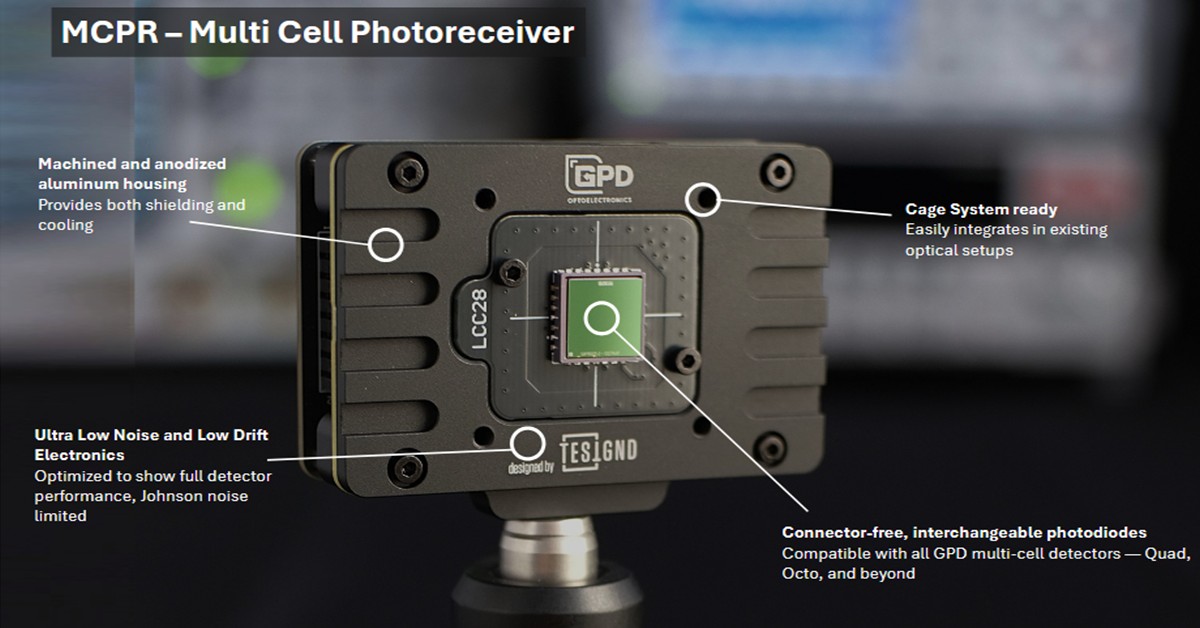 https://www.gpd-ir.com/wp-content/uploads/2025/11/GPD-Optoelectronics-Announces-Launch-of-Multi-Cell-Photoreceiver-Development-Kit-Ahead-of-Space-Tech-Expo-Europe-202.jpg
628
1200
GPD Optoelectronics
https://www.gpd-ir.com/wp-content/uploads/2025/12/GPD-Logo-Transparent.png
GPD Optoelectronics2025-11-06 09:00:412026-04-01 16:12:09GPD Optoelectronics Announces Launch of Multi-Cell Photoreceiver Development Kit Ahead of Space Tech Expo Europe 2025
https://www.gpd-ir.com/wp-content/uploads/2025/11/GPD-Optoelectronics-Announces-Launch-of-Multi-Cell-Photoreceiver-Development-Kit-Ahead-of-Space-Tech-Expo-Europe-202.jpg
628
1200
GPD Optoelectronics
https://www.gpd-ir.com/wp-content/uploads/2025/12/GPD-Logo-Transparent.png
GPD Optoelectronics2025-11-06 09:00:412026-04-01 16:12:09GPD Optoelectronics Announces Launch of Multi-Cell Photoreceiver Development Kit Ahead of Space Tech Expo Europe 2025 https://www.gpd-ir.com/wp-content/uploads/2026/03/GPD-Optoelectronics-Corp.-Awarded-14.5M-Contract-to-Advance-Rugged-Optical-Receiver-Technology.jpg
628
1200
GPD Optoelectronics
https://www.gpd-ir.com/wp-content/uploads/2025/12/GPD-Logo-Transparent.png
GPD Optoelectronics2025-10-23 09:05:202026-04-02 09:12:36GPD Optoelectronics Corp. Awarded $14.5M Contract to Advance Rugged Optical Receiver Technology
https://www.gpd-ir.com/wp-content/uploads/2026/03/GPD-Optoelectronics-Corp.-Awarded-14.5M-Contract-to-Advance-Rugged-Optical-Receiver-Technology.jpg
628
1200
GPD Optoelectronics
https://www.gpd-ir.com/wp-content/uploads/2025/12/GPD-Logo-Transparent.png
GPD Optoelectronics2025-10-23 09:05:202026-04-02 09:12:36GPD Optoelectronics Corp. Awarded $14.5M Contract to Advance Rugged Optical Receiver Technology
